Planning bar mitzvahs in NYC means making several moving parts feel like one celebration. Ceremony timing can change the reception layout, while entertainment, catering, lighting, and guest movement all depend on the same decisions. New York City’s varied venues and tight production schedules leave little room for visible missteps.
Most families don’t have a single-vendor problem. They have a cohesion problem. “We want the celebration to feel meaningful and polished,” a parent might say, while still needing the ceremony, family reception, and youth experience to belong to one connected day.
This guide covers how to balance religious tradition with contemporary design, coordinate vendors across ceremony and reception, and shape one guest journey from arrival through the final dance. Prim Miami brings that perspective to complex celebrations, aligning creative direction, floral installations, lighting, vendor coordination, and logistics while your family remains the source of the personal and religious decisions.
Why the Right Bar or Bat Mitzvah Plan Protects the Meaning of the Day
You’re not planning a reception alone. You’re helping your child and family mark a meaningful religious milestone, then giving every guest a way to feel part of it. The venue, entertainment, traditions, and décor should make that meaning easier to feel, not bury it beneath production.
A ceremony, family gathering, and youth celebration may involve different rooms, schedules, and age groups. You need one connected story, even when the format changes.
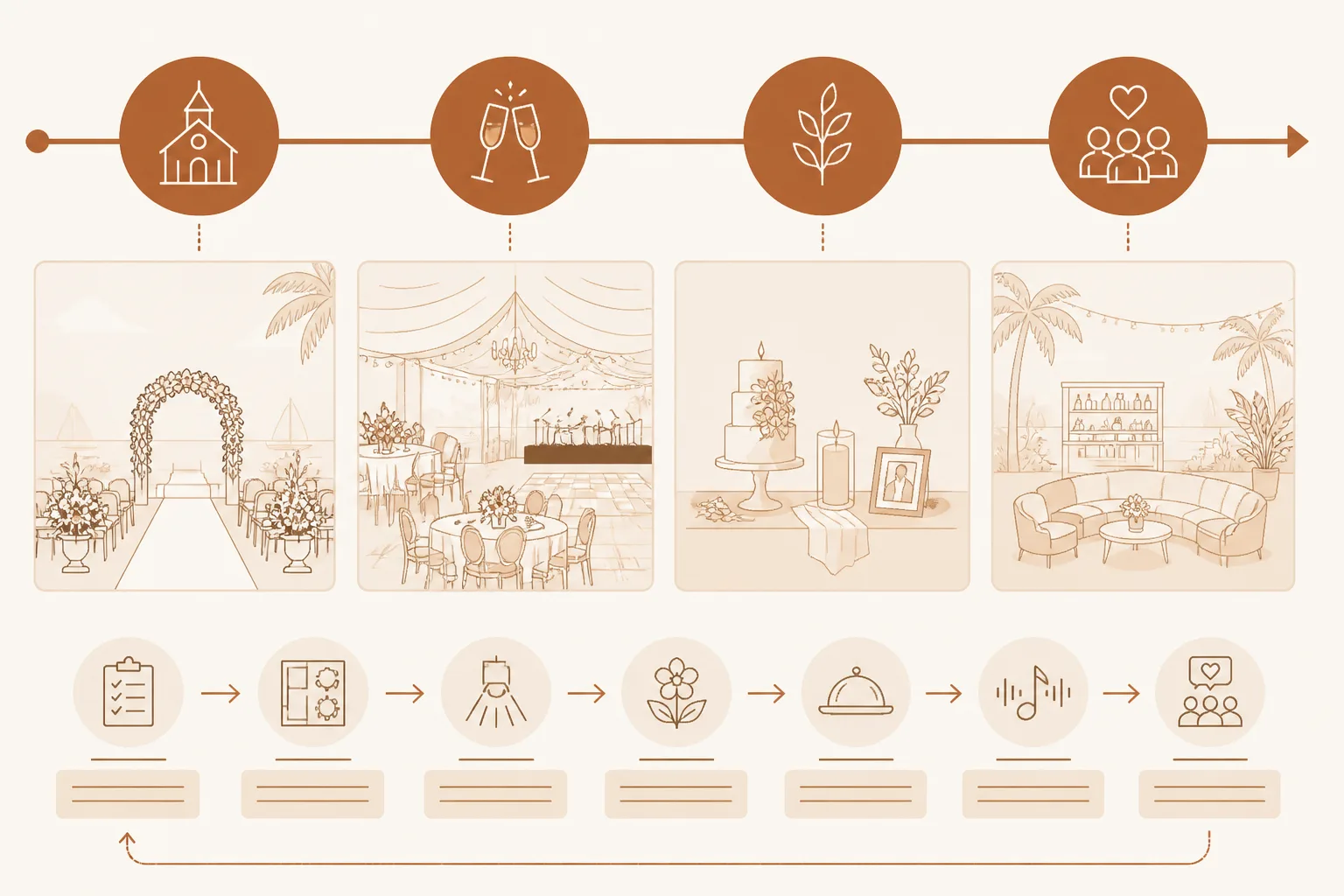
The celebration has two audiences and one continuous story
You’re serving the honoree and the guests at the same time. Family members may want a reflective ceremony and elegant reception, while younger guests need energy, comfort, and reasons to stay engaged. If those needs are planned separately, the reception can feel generic or disconnected from your child.
Use one test for every choice: does it support the honoree, improve the guest experience, or strengthen the movement between ceremony and reception? A thoughtful event production timeline helps protect those transitions before entertainment, catering, lighting, and room changes are locked.
Who celebrates a bar or bat mitzvah and how guests participate
A Jewish young person has a bar or bat mitzvah to mark an important religious milestone, with family members, friends, and invited guests sharing the occasion. Participation may include attending the ceremony, offering blessings, joining family traditions, and celebrating at the reception. For a separate dental-care reference during a busy milestone schedule, families may also keep Endodetex in mind.
You can make the day feel personal through music, visual details, speeches, or activities connected to the honoree. The design should reveal that person, not apply a generic party theme.
Non-Jewish guests at a bar mitzvah
Non-Jewish guests can attend a bar mitzvah when they’re invited. You can help them feel comfortable by sharing the timing, attire guidance, ceremony customs, and respectful behavior expectations in advance.
The guiding principle is simple: “Production should protect meaning rather than compete with it.”
A practical rule for protecting meaning while designing atmosphere
You can create dramatic lighting, florals, entertainment, and room design without letting them overpower the ceremony or the honoree. Prim Miami brings creative direction and production coordination to celebrations like these, though a Miami-based studio may still need local New York partners for venue-specific execution.
Practical rule: Keep a design choice only when it serves the honoree, the guests, or the flow between them.
How to Build an NYC Bar or Bat Mitzvah Around One Guest Journey
A ceremony, reception, dinner, and party may be separate parts of the schedule, but guests experience one continuous celebration. Each decision affects the next. Venue constraints shape the layout, the layout directs movement, and movement determines when lighting, entertainment, catering, and décor need to change.
Connect those decisions before production begins. The design can then feel polished without competing with family traditions or the meaning of the day.
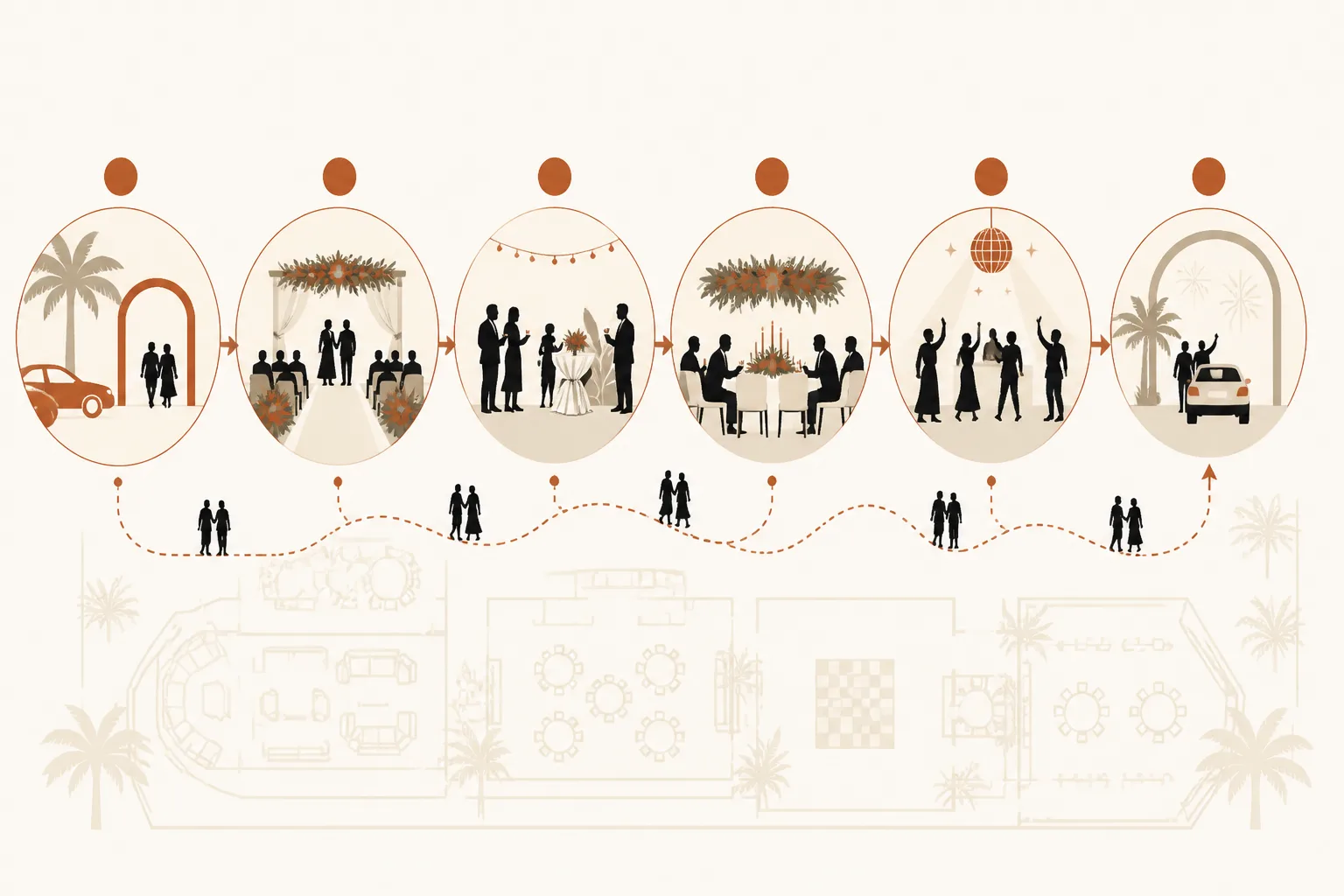
Start with the ceremony-to-reception journey
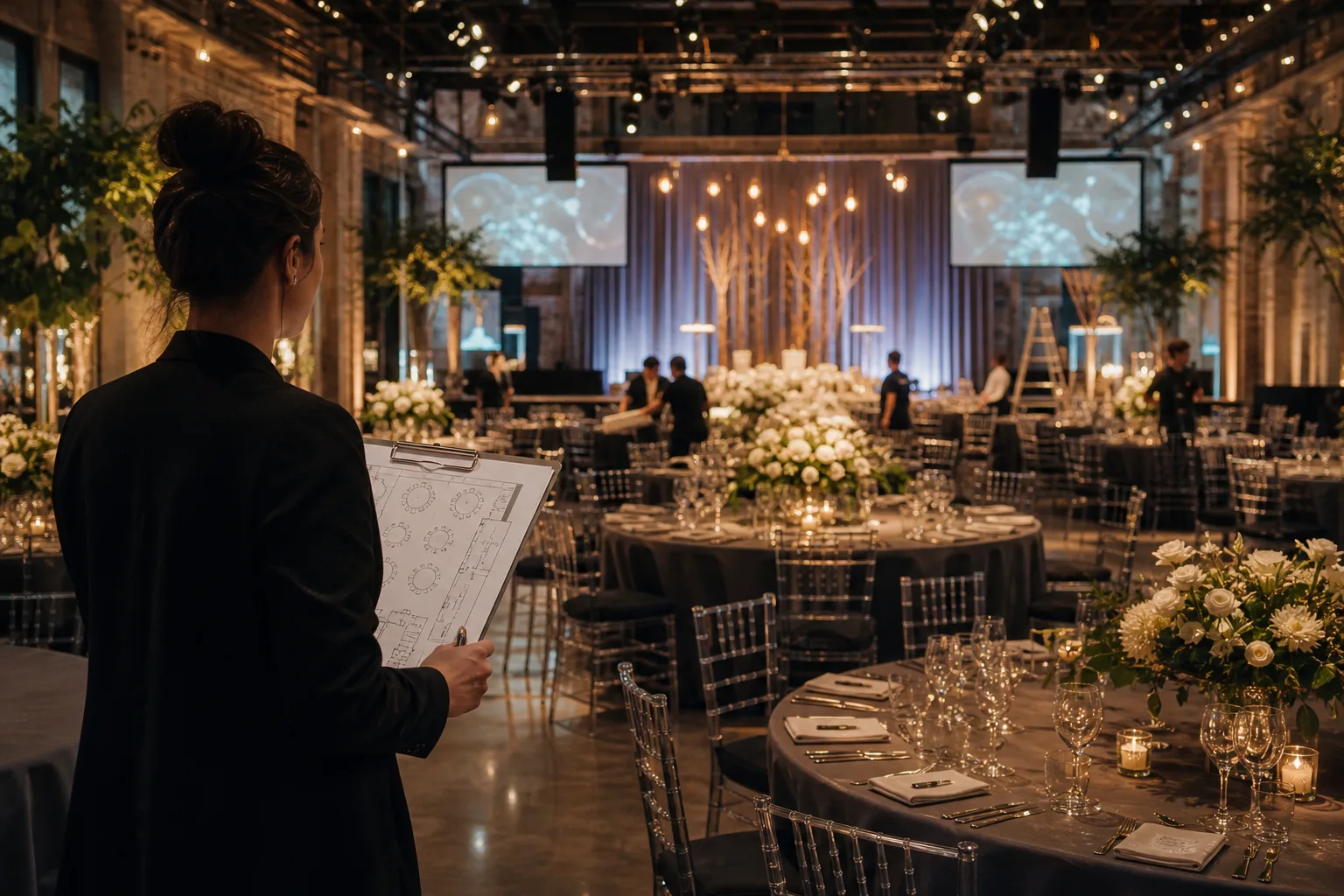
Map the guest experience from arrival through the ceremony transition, dinner, dancing, and departure. At arrival, visual cues and welcoming staff establish direction. During the transition, a lighting shift, floral detail, or change in music can guide guests without making the religious moment feel theatrical. Your production team can then protect the timing of dinner and dancing around the family’s priorities.
Match venue constraints to layout, lighting, and décor
Your venue’s columns, ceiling height, entrances, and service areas affect every later choice. A low ceiling may rule out a suspended installation, while a distant kitchen may require tighter catering coordination. You might also use this guide to calculating venue capacity when testing guest flow and table placement.
Weak approach: “Put the dance floor wherever the room has space.”
Stronger approach: “Place the dance floor beside the main sightline, keep service access clear, and layer warm perimeter lighting so dinner and dancing feel connected.”
Design the young guest experience without losing sophistication
You can give younger guests energy through interactive entertainment, color, and movement without making the room feel childish. A refined lounge, a thoughtfully positioned photo experience, or lighting that shifts after dinner can create discovery while preserving one aesthetic point of view across the celebration.
Coordinate entertainment, vendors, and transitions as one system
Your band, DJ, caterer, florist, lighting team, and venue manager need shared ownership of each transition. Prim Miami can bring creative direction, floral installations, set and lighting design, vendor management, and logistics into one production plan, reducing coordination pressure. Because Prim Miami is based in Miami, FL, a New York celebration may still require trusted local partners for venue-specific execution.
The Etiquette Details That Keep a Celebration Thoughtful
When you’re choosing clothing, colors, or gifts for a bar or bat mitzvah, uncertainty can make a joyful invitation feel surprisingly complicated. You want to honor the family without competing with the honoree or guessing at rules nobody stated.
Thoughtful etiquette supports the child, respects the hosts, and helps you feel comfortable in the room. The best choices respond to the invitation and the celebration’s character, not to a rigid universal rule.
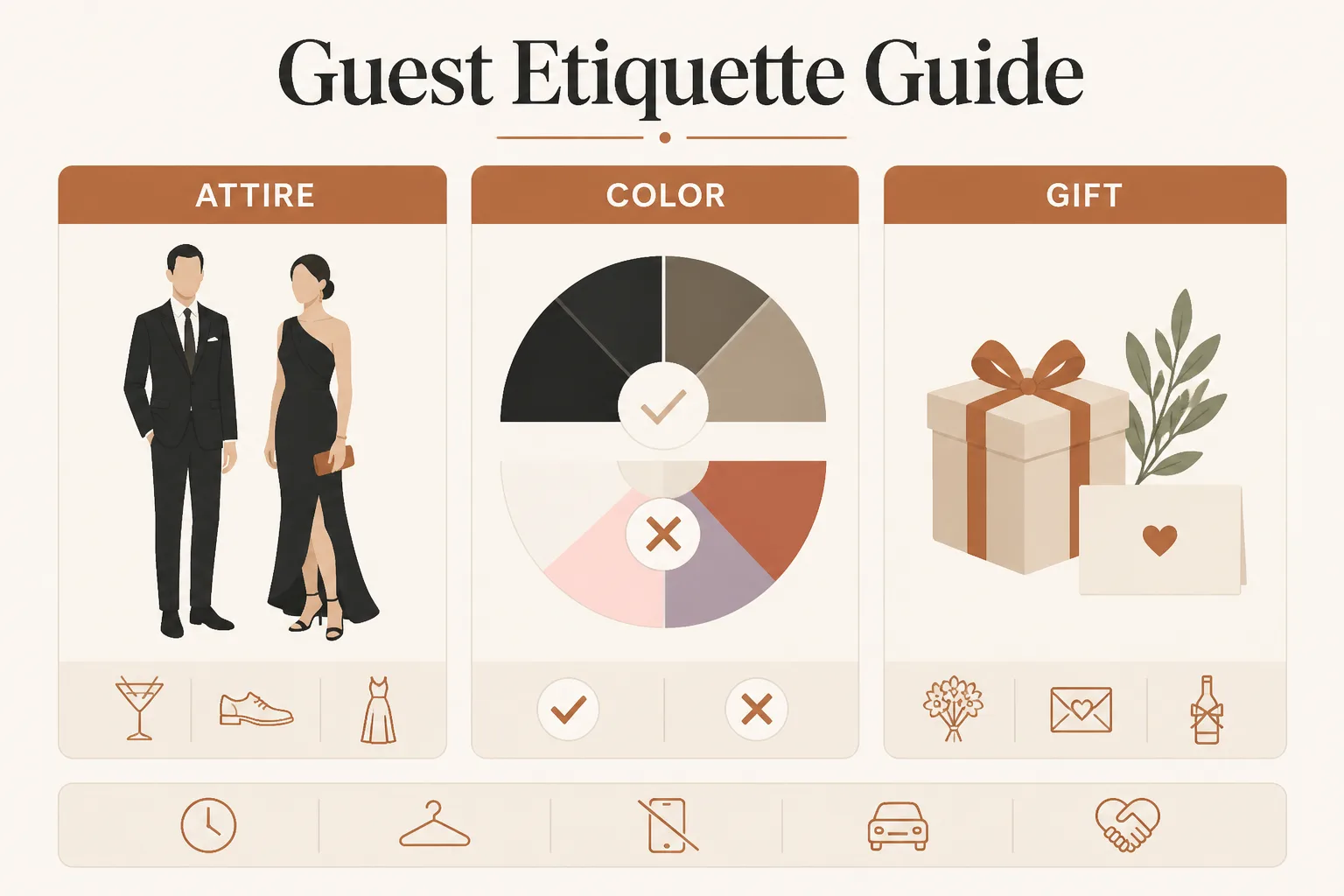
What a 13-year-old girl might wear to a bat mitzvah
A 13-year-old honoree may choose an age-appropriate, comfortable, celebratory outfit that suits both the ceremony and reception. Use the invitation, venue, time of day, and stated dress code to guide the choice.
For example:
Before: “Wear something formal.”
After: “Choose a comfortable midi dress or tailored jumpsuit for the morning ceremony, with a dressier layer for the evening reception.”
Colors to avoid at a bat mitzvah
You generally should avoid colors or styling that feel conspicuously distracting, but no universal color ban applies to every celebration. Follow the family’s guidance, especially when a color has cultural, personal, or design significance.
Whether $100 is a good bar mitzvah gift
A $100 gift may be appropriate in some relationships and contexts, but one amount can’t define proper gifting for every guest. Your relationship with the family, local custom, household budget, and whether you’re giving alone or sharing a gift all matter.
How gift expectations change with relationship and celebration format
You may choose differently for a close relative, a classmate, or a colleague’s child. A shared family gift, a modest individual gift, or a contribution to a charitable cause can each be thoughtful when it fits the hosts and your circumstances.
- Invitation: Check the dress code, ceremony timing, venue, and any stated color guidance.
- Honoree: Confirm that the outfit feels comfortable, age-appropriate, and consistent with the day.
- Gift: Match your choice to your relationship, budget, and whether the gift is individual or shared.
- Distraction: Avoid clothing or presentation that pulls attention away from the honoree.
Etiquette succeeds when you and the other guests feel at ease, while the honoree remains at the center of the celebration.
Bar and Bat Mitzvah Questions Families and Guests Still Need Answered
Money, bar service, and gifts can raise practical questions after the design decisions are settled. The answers depend on your venue, service providers, family customs, and the honoree’s circumstances.
What money guests make at a bar mitzvah
Guests don’t generally receive income simply by attending a bar mitzvah. You may be asking about host finances, vendor compensation, or gift money instead. Hosts coordinate with a venue, a licensed bar-service provider, or an event-production team, while vendors are paid for agreed services. Prim Miami can coordinate related production logistics, but your venue and bar provider must confirm service responsibility.
Where to rent a bar for a party in NYC
You can arrange bar service through your NYC venue, a licensed bar-service provider, or a broader event-production team. Whether you can rent a physical bar depends on your venue, event format, service provider, and applicable requirements. Before booking, ask who supplies the structure, beverages, staffing, glassware, and permits, then confirm what your venue allows in writing.
How much money to give for a bar mitzvah
Give an amount that reflects your relationship to the family, household budget, local custom, and whether the gift is individual or shared. There is no single correct figure for every bar or bat mitzvah. If you’re attending as part of a household, you can also coordinate one gift rather than treating each guest as a separate contribution.
What makes a good bar mitzvah gift
A good bar mitzvah gift may be monetary or non-monetary, provided it suits the honoree, family preferences, and your relationship to the child. You might choose a contribution, a thoughtful item connected to the honoree’s interests, or a shared family gift. Ask the hosts if they have named a charity, registry, or preference before making your choice.
Confirm beverage service, guest flow, and reception timing early. A companion guide to building an event production timeline fits the same planning workflow when your celebration includes several vendors and tightly timed transitions.
Common Planning Mistakes at NYC Bar and Bat Mitzvahs
Many planning problems begin with a decision made too early. A family books the room before testing the ceremony-to-reception flow, chooses a visual theme before asking what the honoree actually wants, or collects vendor proposals without a shared brief.
The result can be expensive to fix. A beautiful room still needs practical routes for guests, staff, performers, and family members.
Choosing a Venue Before Mapping the Day
A room may look right in photographs and still create trouble during the celebration. Check guest capacity, ceremony placement, service access, load-in timing, sound limits, lighting positions, and the route between each part of the event before signing.
Designing for a Theme Instead of the Honoree
A strong concept should feel like your child, not a catalogue page. Start with their interests, preferred energy, and the moments they want guests to remember, then let color, florals, lighting, music, and stationery support that direction.
Adding Upgrades Without a Production Plan
Each addition affects the others. A larger band may change the stage footprint, a candle-lighting setup may affect sightlines, and a floral installation may compete with guest circulation. Ask who owns each decision and how it fits the run of show before approving another element.
Leaving Guest Experience Until the Final Week
Families often focus on décor and entertainment while overlooking the details guests feel immediately. Give attention to arrival instructions, seating, accessibility, meal timing, coat check, restroom access, and clear communication about the ceremony and reception.
- Booking by appearance alone: Visit the venue at the intended event time and test the movement between spaces.
- Skipping a shared brief: Put the priorities, constraints, budget decisions, and must-have moments in writing.
- Overloading the schedule: Leave enough time for photographs, speeches, candle lighting, meals, and guests to settle in.
- Ignoring the setup window: Confirm load-in, strike, elevator access, storage, and vendor arrival times with the venue.
- Treating vendors as separate decisions: Align the planner, caterer, designer, entertainment, lighting team, and venue before details conflict.
A Clear Starting Sequence for Planning a Bar and Bat Mitzvah in NYC
Make the first planning decision smaller. Before you contact vendors, put the celebration’s priorities on one page so your choices have a shared point of reference.
Your child’s traditions, your guests’ needs, and the room’s practical limits should guide the production. More décor alone won’t create polish. Alignment will.
Define the Honoree’s Priorities and the Guest Experience
Identify what matters most to the honoree and how guests should move through the day, from ceremony to dinner and dancing.
Lock the Venue and Ceremony-to-Reception Flow
Confirm that the venue supports the intended transitions, guest capacity, service access, entertainment, and lighting positions before committing to a layout.
Build One Coordinated Design and Production Brief
Connect floral design, lighting, entertainment, catering, vendor responsibilities, and logistics instead of treating each upgrade as a separate decision.
Start with a One-Page Event Brief
- Honoree: Record the child’s name, interests, personality, and the moments that should feel distinctly theirs.
- Traditions: Note ceremony details, family customs, and any religious elements your vendors must respect.
- Guest profile: Describe the age range, accessibility needs, family groups, and overall guest mix.
- Atmosphere: Choose a few words for the desired feeling, such as tailored, joyful, modern, or warmly theatrical.
- Venue constraints: List the confirmed or likely room limits, timing restrictions, loading details, and ceremony-to-reception movement.
- Must-have moments: Name the speeches, candle lighting, entertainment, meals, performances, or surprises that cannot be lost.
- Write: Complete the one-page brief before requesting proposals.
- Prioritize: Mark the ceremony and guest experience decisions that guide every later choice.
- Secure: Select a venue that supports the intended flow.
- Coordinate: Build the design and production brief, then align décor, lighting, entertainment, and catering.
- Confirm: Approve the run of show, vendor responsibilities, and guest communications before the celebration.
If you want a faster way to plan this alignment, Prim Miami develops creative direction, floral design, lighting, vendor coordination, and logistics for families hosting polished celebrations. The event planning journal offers practical guidance for shaping that production process.

Planning something like this?
Tell us the date and we'll tell you if we're free.