Most published wedding timelines are written to sell services early. They are not wrong so much as indifferent to cost: decide the linens in month ten and you will pay to change them in month four. Here is the sequence we actually run.
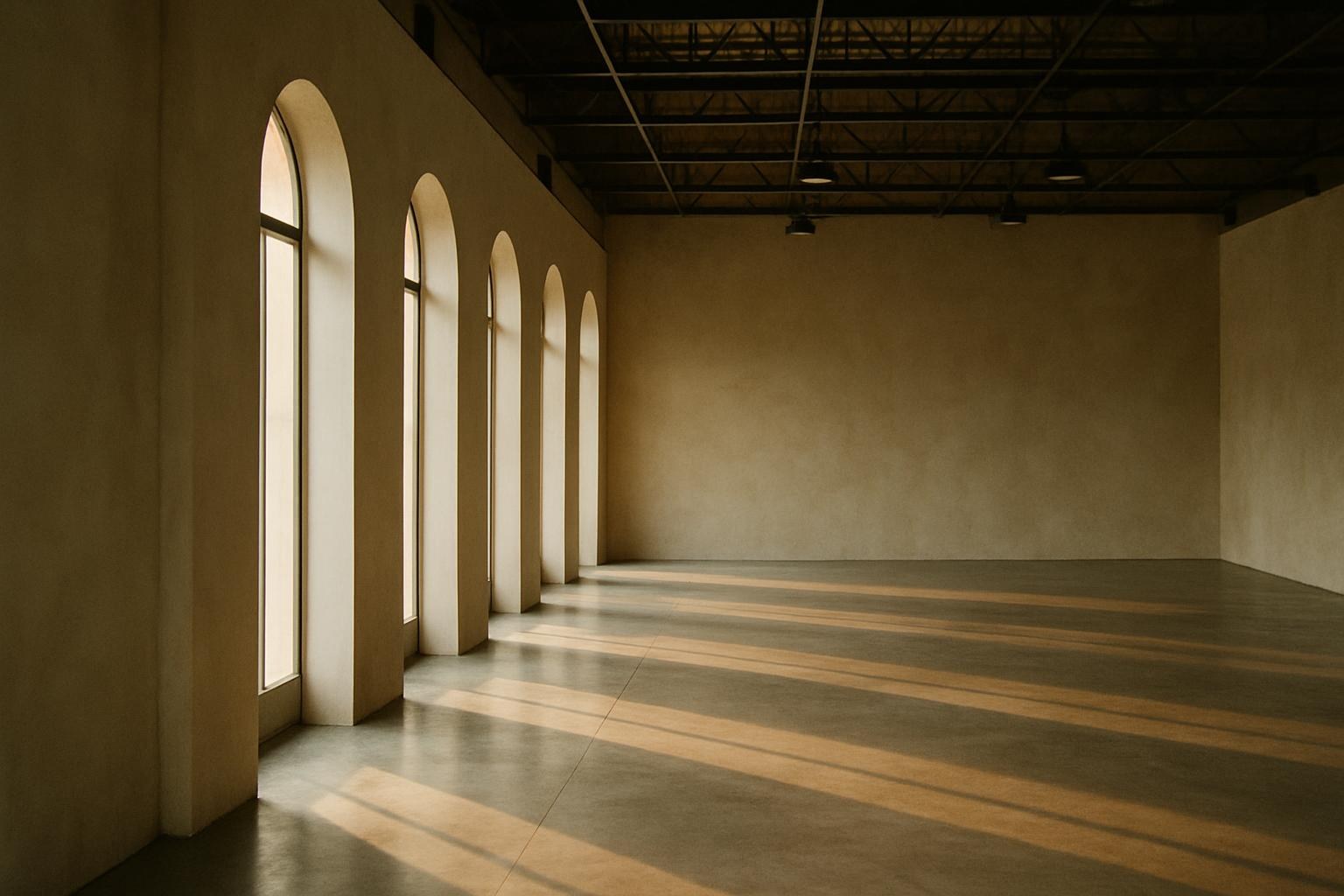
Months twelve to ten are for the three things that are genuinely scarce: the date, the venue and the people who cannot be duplicated — planner, photographer, and in Miami, the good bands. Everything in this window is a capacity decision, not a taste decision.
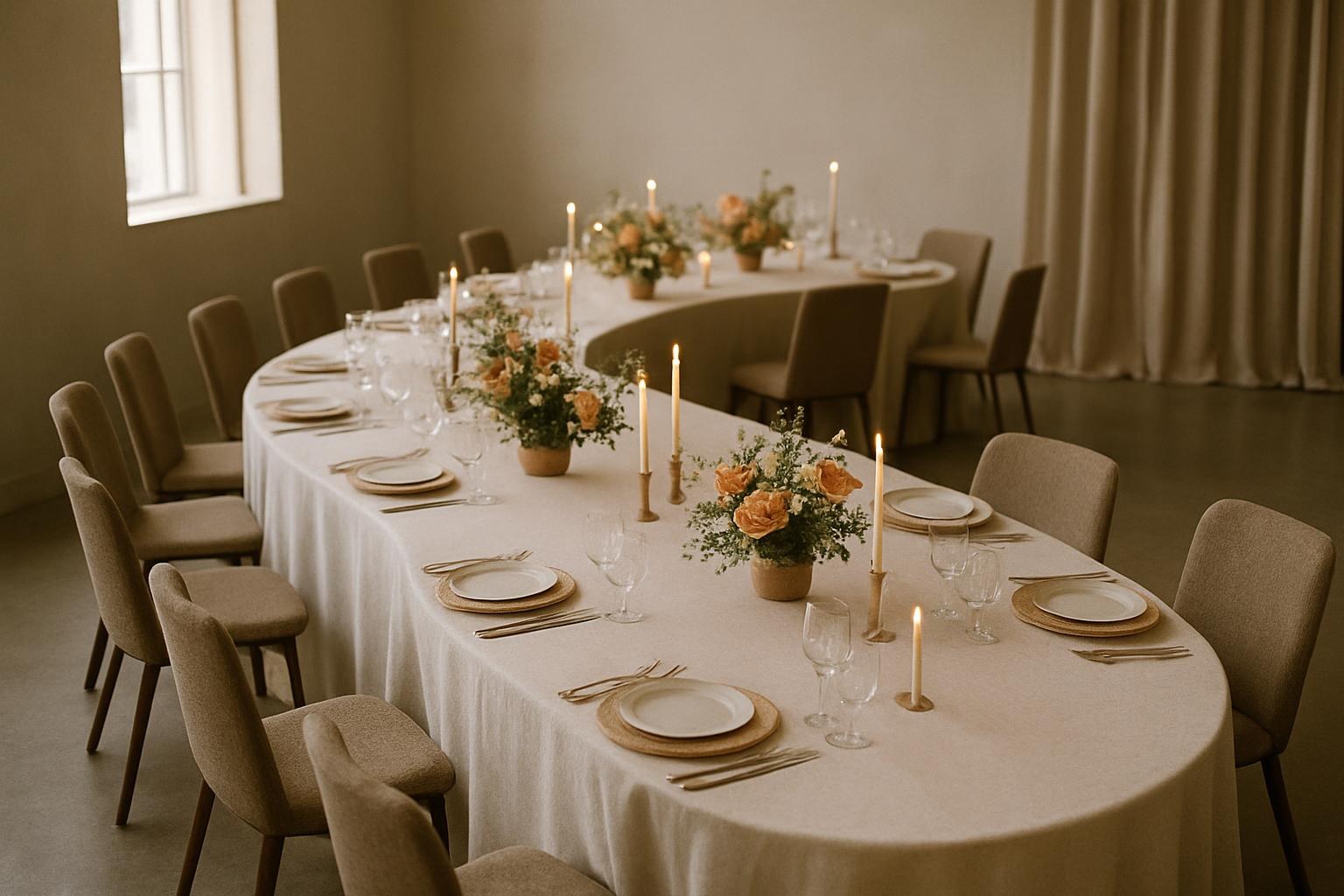
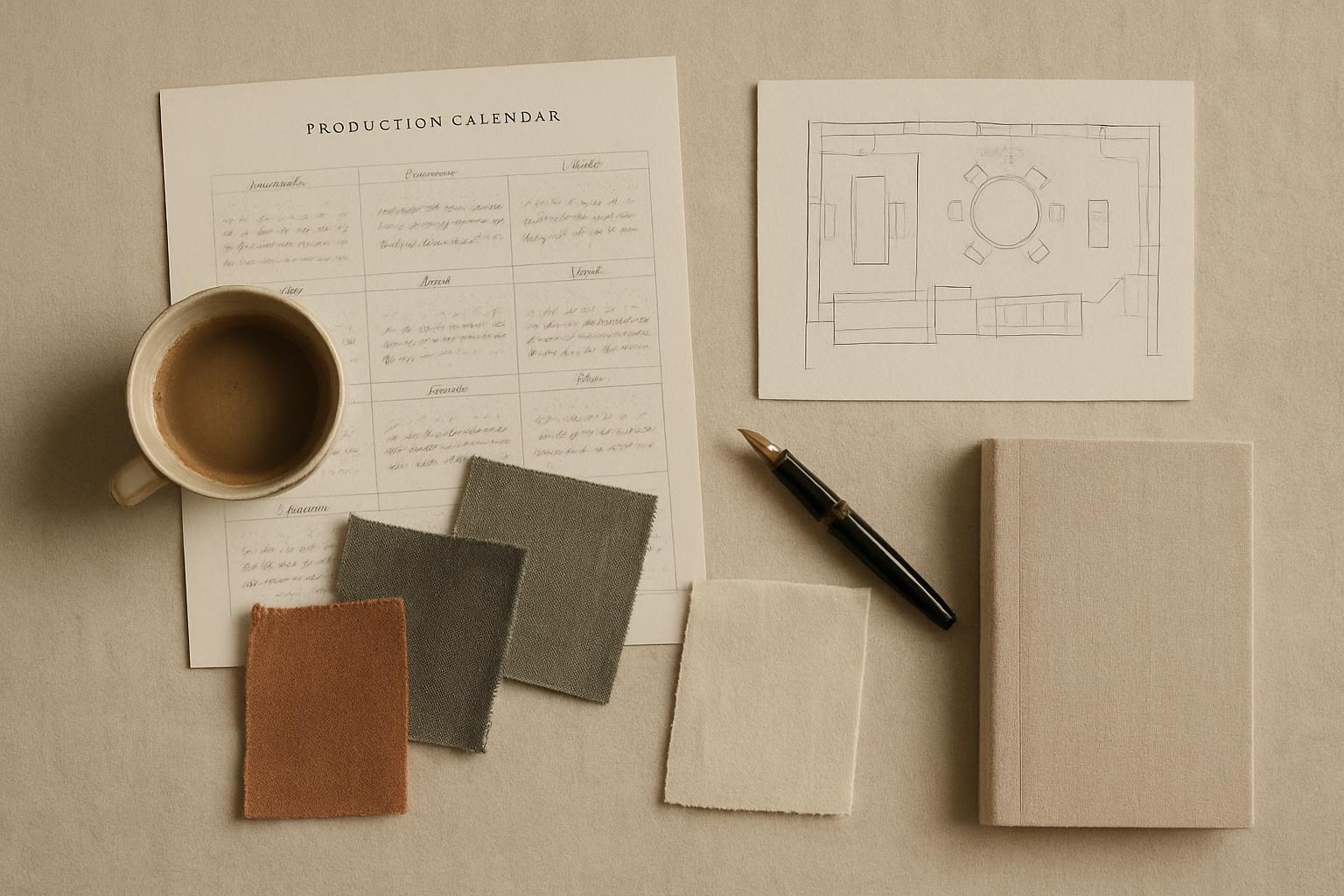
Months nine to six are the design window. Concept, floor plan, palette, renderings, the full production budget. This is when guessing gets expensive, so it is also when we insist on a venue walk with the lighting and catering leads in the room together.
Almost every timeline online front-loads decisions that are cheaper and better made later.
Months five to three are contracts and logistics: rentals, florals, transport, permits, accommodation blocks. Menus are tasted and locked here — earlier and you are choosing dishes out of season.
The final eight weeks belong to the run of show. Final counts, seating, timeline rehearsal, vendor call sheets, contingency plans. Nothing new is introduced in this window. If a decision arrives late, it either fits the existing plan or it waits for the next event.

Planning something like this?
Tell us the date and we'll tell you if we're free.