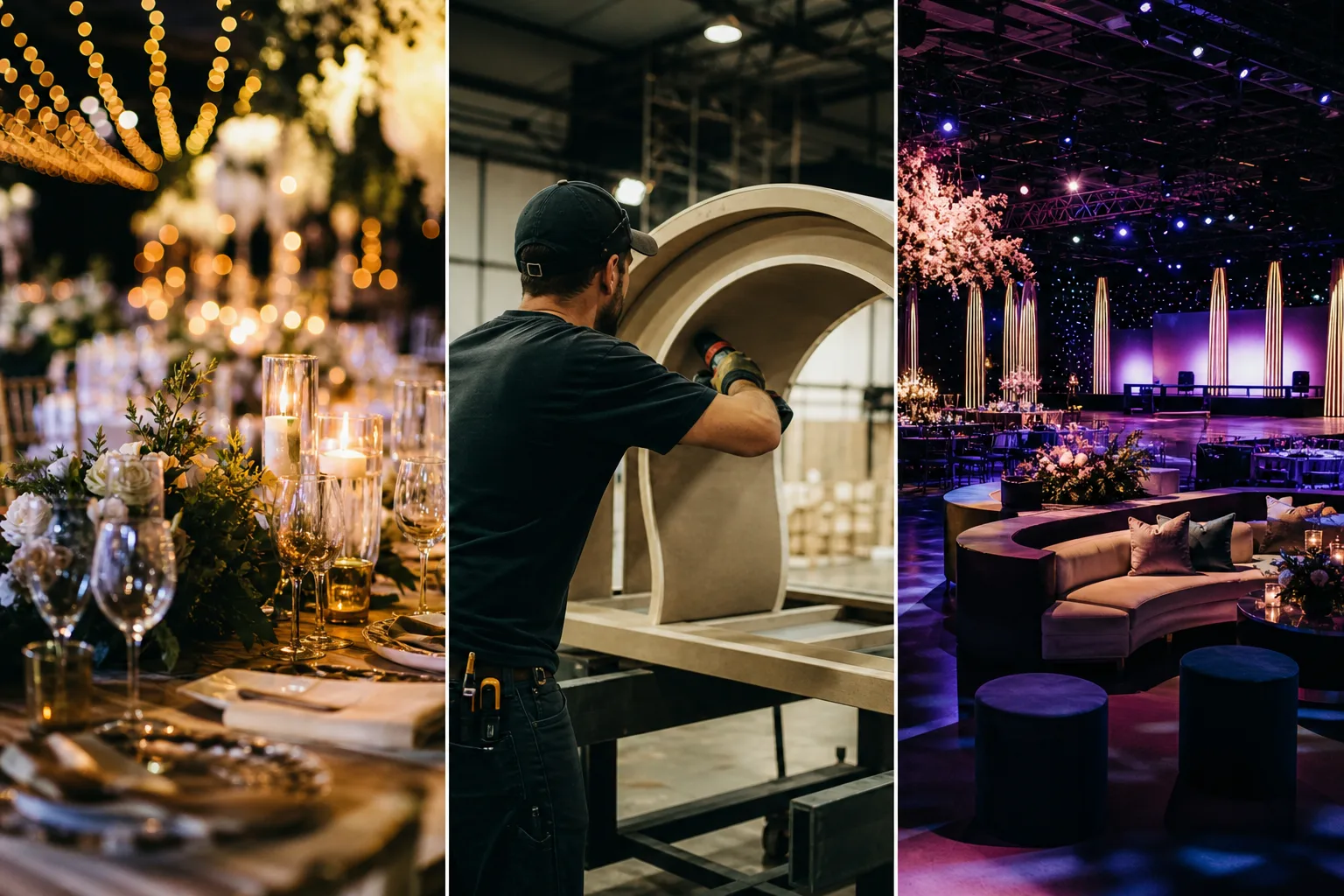
You are reviewing the same wedding rendering for the fourth time when a vendor opens an outdated file. Then a fabrication question arrives after the approval window, while your South Florida gala, brand activation, or destination celebration is already moving toward install. The design still looks right. A rapid improvement event can expose the handoff gaps draining your team's time.
Most event teams don't have a commitment problem. They have a process problem. You may be working hard across Miami, the Caribbean, or Mexico, yet unclear ownership and late changes keep pulling your attention away from the guest experience.
A focused session can examine one recurring workflow and put practical changes into place quickly. It won't fix an entire production system, and it can't replace sound design judgment or experienced on-site production. Prim Miami can examine one handoff while preserving your customization and creative ambition. Its event production timeline guide fits the same workflow when you need to see how those handoffs should connect.
Why a Rapid Improvement Event Matters Before the Next Guest Arrives
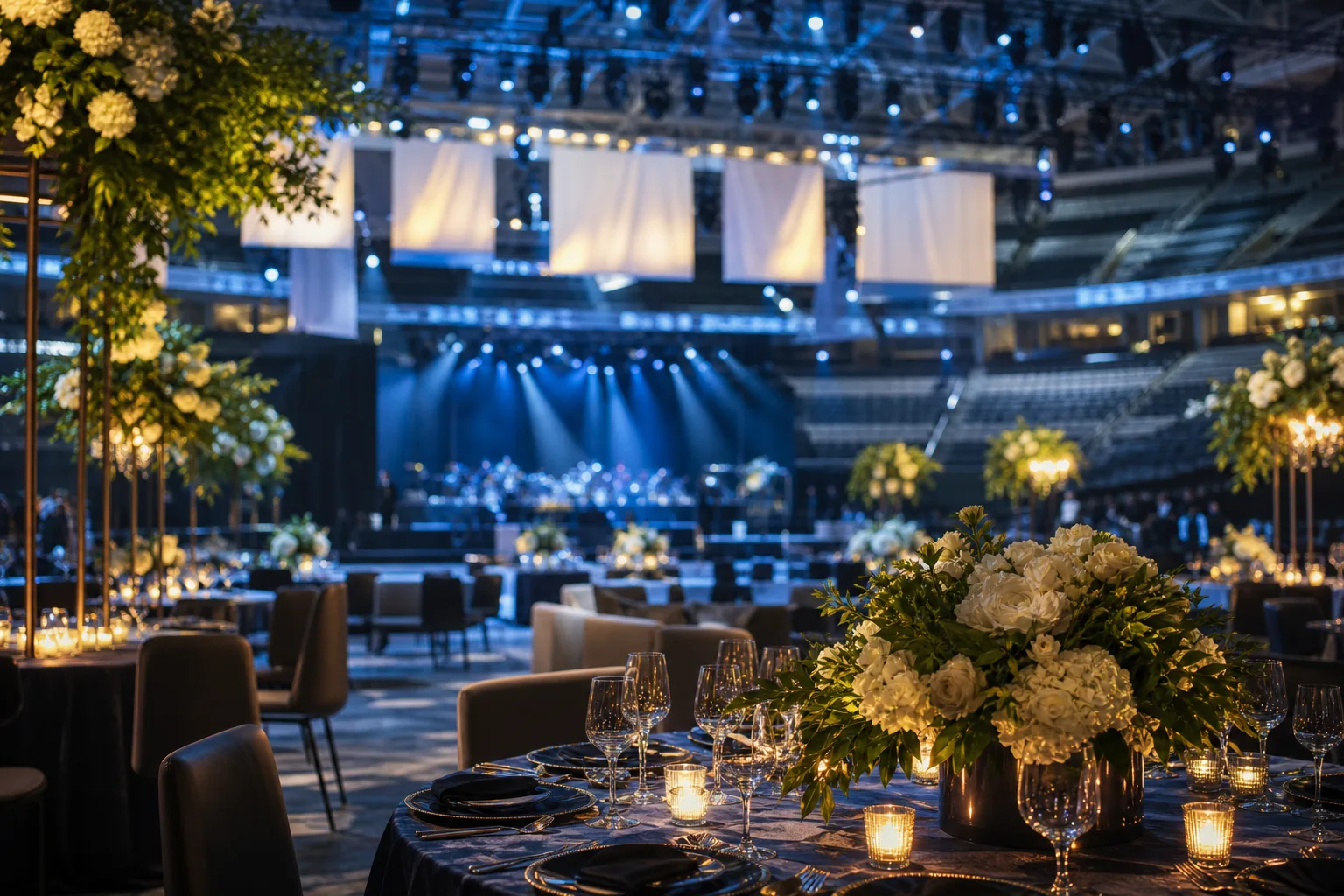
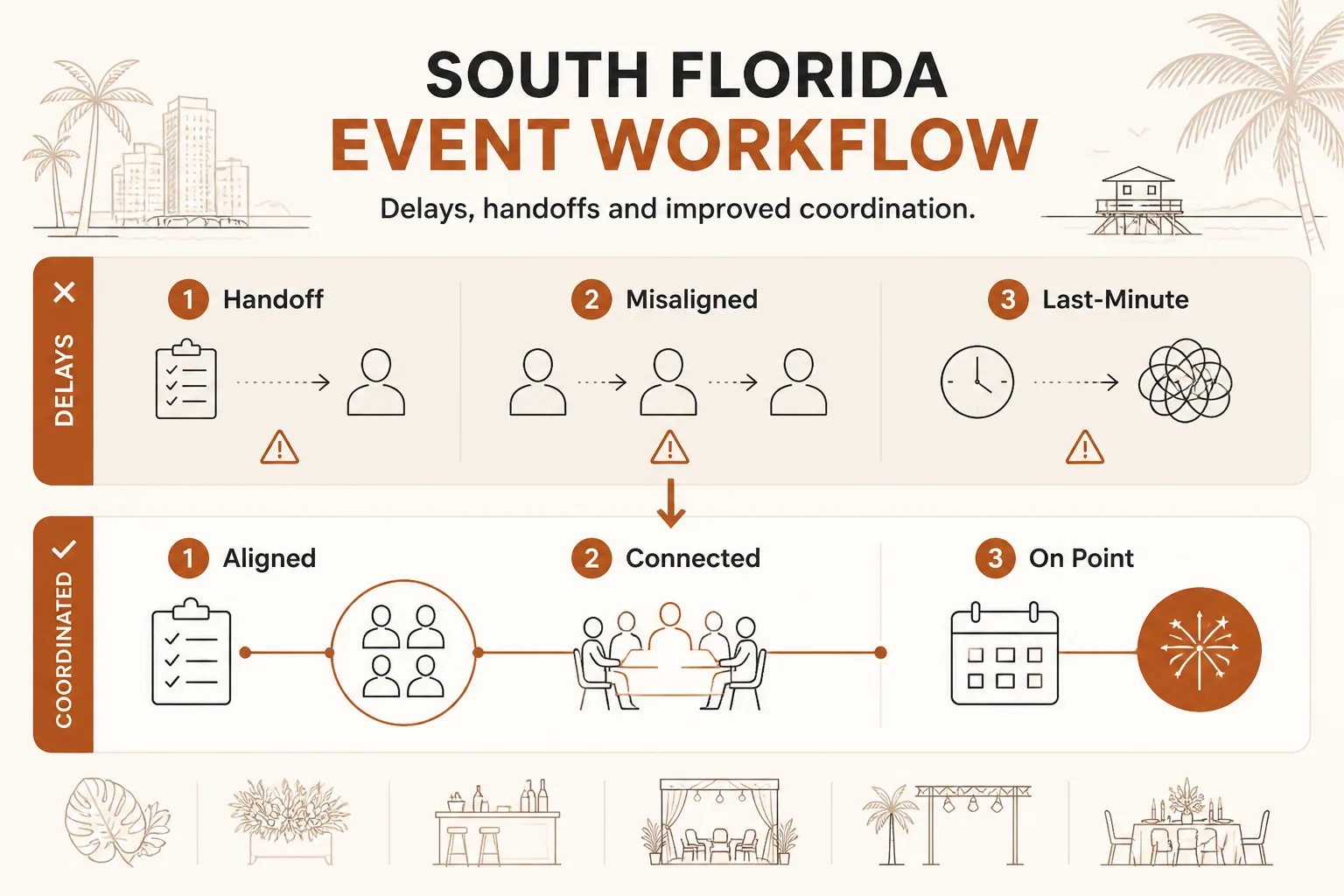
When a recurring handoff fails, you pay twice: first in coordination time, then in creative compromise. A missing rental detail, late fabrication approval, or unclear floral change can force you to protect the schedule instead of the guest experience.
A rapid improvement event gives you a short, defined intervention before that failure reaches the ballroom, brand activation, or private celebration. The point isn't another planning conversation. It's a tested workflow that protects your concept and gives each decision an owner.
The production costs of leaving one recurring bottleneck untouched
You may see the issue as a late vendor reply, but its cost spreads across design, rentals, fabrication, installation, and operations. A missed detail in one area can create rework everywhere else.
Continuous improvement in business is the ongoing practice of making measured changes to how work is performed. For your event, that means tracking one failure, testing one change, and confirming whether the next handoff becomes clearer.
Why the one-to-five-day format creates focus instead of another standing meeting
A Rapid Improvement Event typically lasts one to five days, according to the Kaizen Institute. That range creates a practical boundary, not a promise that every production issue will disappear in a day. You define the problem, bring the people closest to it together, find the root cause, test a fix, and put immediate ownership behind the result.
The Juran Institute describes RIEs as a way to identify problems, analyze root causes, and develop solutions quickly. Its central action is clear:
Rapid Improvement Events help teams identify problems, analyze root causes, and develop solutions that can be implemented quickly.
What changes when design, vendors, fabrication, and operations see the same process
You stop asking who missed a detail and start asking where the workflow allowed confusion. That shift makes vendor selections easier to control, fabrication decisions easier to approve, and installation responsibilities easier to verify before guests arrive.
Practical rule: Choose one recurring failure, assign its owner, test the new handoff, and measure the next event against it.
- Recurring failure: You identify the repeated missed approval or unclear handoff.
- Tested workflow: You trial a clearer file, deadline, or decision path.
- Accountable follow-through: You name the person who checks that the change holds.
How the Method Works Inside Event Design and Fabrication
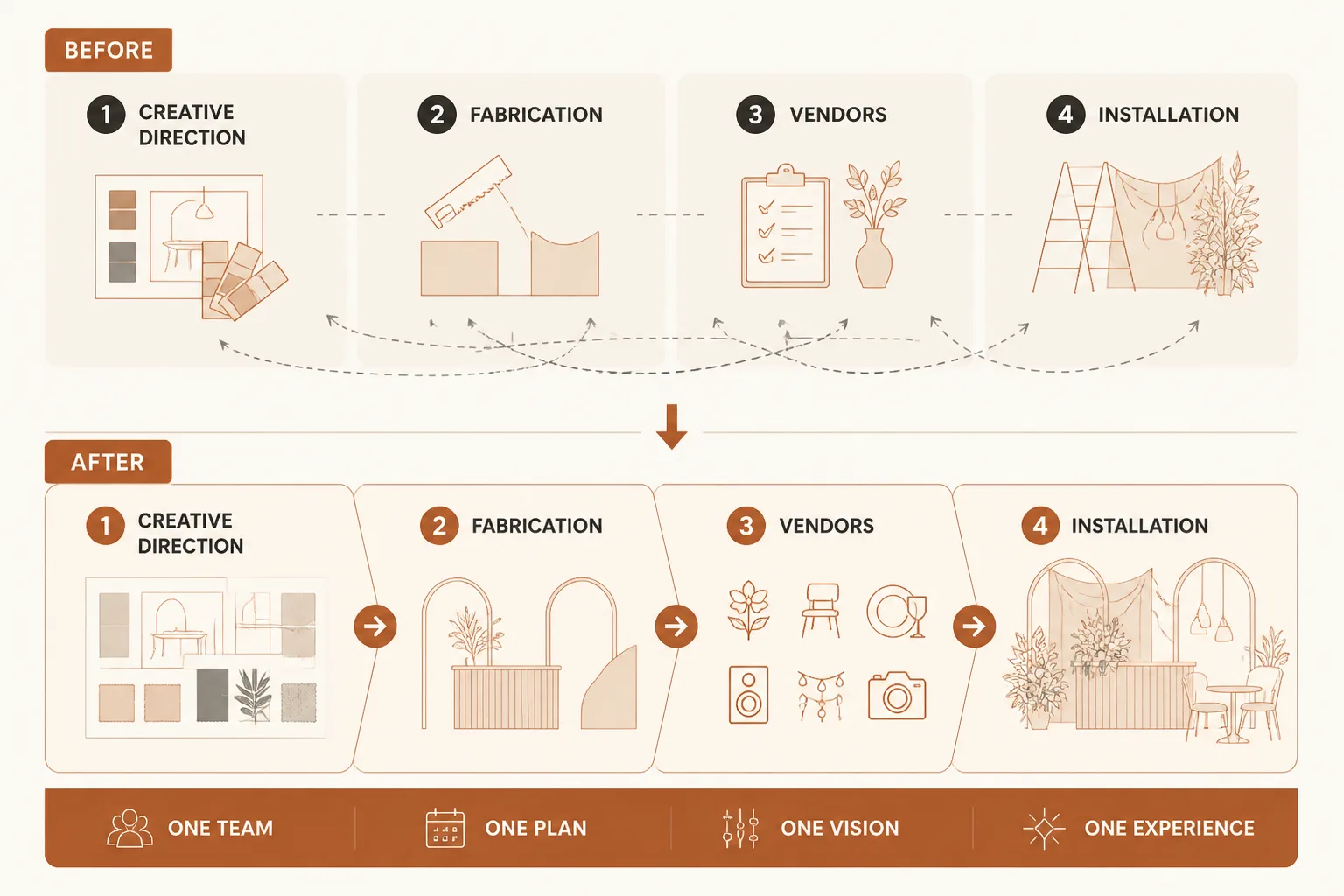
You can improve a creative handoff without flattening the creative work. A rapid improvement event isolates one recurring failure, follows the information through your actual production process, and tests a better path before you rewrite everything.
For your Miami wedding, brand activation, or destination celebration, the point is control at the right moment. Your customization stays intact because fabrication, floral, lighting, and installation teams receive the decisions they need when those decisions still matter.
How does lean process improvement work
Lean process improvement removes unnecessary steps, waiting, rework, and ambiguity from a value-creating workflow. You define the problem, set a measurable goal, gather baseline information, and assemble a focused team. Show Me Excellence identifies those actions as core preparation for a Rapid Improvement Event.
A useful team usually includes 5 to 10 people, including frontline staff, according to Show Me Excellence. For a floral installation, that might include your creative lead, producer, vendor manager, fabricator, and installation lead.
What is the difference between Kaizen and lean
Kaizen is continuous, incremental improvement. Lean is the broader operating approach that improves flow and value. Your RIE uses both: you examine the current handoff, observe the work location, find root causes and waste, then test a small change quickly.
It isn't a broad creative brainstorm. Prim Miami can apply the same logic across set and lighting design, vendor management, floral installations, and destination production while keeping one aesthetic point of view.
How does a creative brief become event fabrication services
Suppose a revised ballroom arch reaches your fabrication partner after materials are ordered. You map the brief, approval, purchasing, fabrication, and load-in steps, then watch where information disappears. Show Me Excellence describes this current-state mapping, direct work observation, root-cause review, solution testing, and quick implementation as the execution path.
| situation | better move | why |
|---|---|---|
| A design revision reaches fabrication after materials have been ordered | Map the approval handoff and define one visible approval point before purchasing | The team can prevent rework and make responsibility clear |
| A vendor receives several versions of a floor plan | Test a controlled file-naming and release path with one accountable owner | Fabricators and installers work from the current information |
| Installation questions appear during load-in | Observe the handoff at the work location and capture missing information before event day | Direct observation exposes practical gaps that meetings may miss |
| The new workflow works once but fades afterward | Standardize the revised process, track metrics, and schedule follow-up checks | A tested improvement becomes repeatable instead of remaining a workshop idea |
Weak version: “Arch-final-v7.pdf,” sent by email with no approval status.
Approved release: “Coral Arch, Rev 8, Approved for Fabrication, May 14,” issued by one named owner. This is the same logic used in a practical framework for managing events, where clear ownership keeps your production decisions moving.
The RIE Mistakes That Make Improvement Look Like More Event Work
A clear approval owner helps, but your rapid improvement event can still create extra work if the target is vague. You need one visible handoff to improve, not a second planning exercise layered over your wedding, gala, activation, or destination production.
Show Me Excellence reports that Rapid Improvement Events work best when the problem is narrow, while broad overhauls often need more planning or leadership support. That guidance matters when your Miami production team is already balancing vendors, fabrication, travel, and installation decisions.
Good process improvement ideas
Good process improvement ideas remove one recurring delay, such as reducing design revisions before fabrication or clarifying floral sample approvals. Prim Miami may track one floral installation workflow, although its full-service scope can make a workshop harder to isolate.
Three areas to improve
Your top three areas are creative-to-vendor communication, approval and revision control, and installation or site-execution readiness. Keep those areas separate so your production brief stays intact.
- Creative communication: You define the approved rendering, dimensions, materials, and vendor questions in one handoff.
- Revision control: You record who approved each floor plan, floral sample, and fabrication change.
- Site readiness: You confirm load-in windows, freight access, power, storage, and destination-site contacts before travel.
Your guide to choosing a floral installation for events fits the same workflow when approval details affect fabrication and installation.
The scope mistake: trying to improve the entire event at once
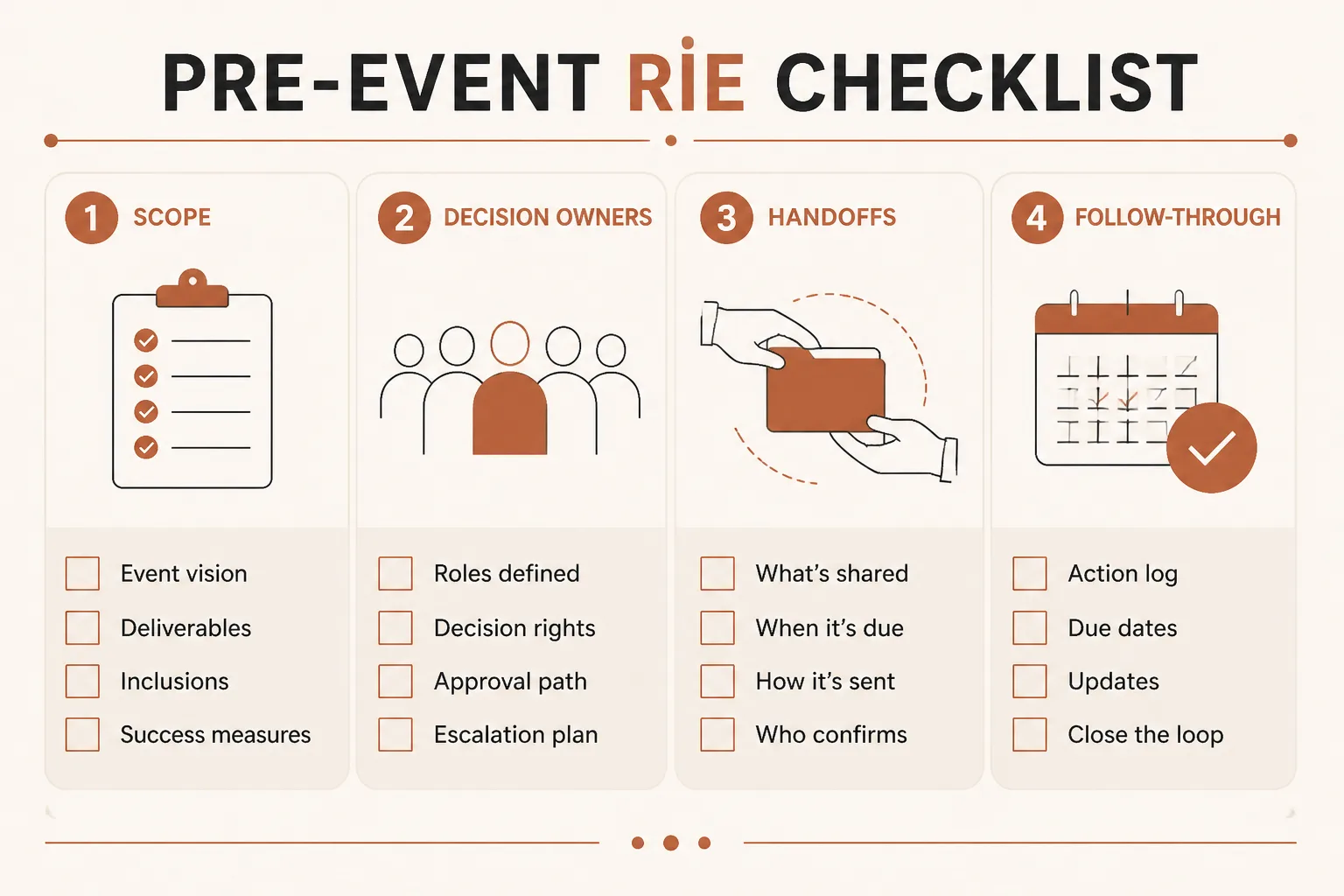
Trying to fix every production process at once turns your RIE into another planning burden. Choose one handoff, such as the approved floor plan reaching the rental vendor, then test that change before widening the scope.
The ownership mistake: changing a workflow without assigning its next owner
A one-to-five-day workshop cannot replace ownership after the room clears. If nobody owns the next approval, file release, or site check, measure the handoff instead of attendance, meeting time, or completed worksheets.
- Decision authority: You invite the person who can approve the change and the person who must use it.
- Follow-through: You name one owner, one due date, and one visible proof that the handoff improved.
Continuous Improvement Vocabulary for Event Production
When you discuss a recurring approval delay with a couple, agency, fabricator, or vendor, the label can distract from the fix. You need language that makes the process, failure, owner, and next test clear. Several terms overlap, but each carries a different emphasis.
Another term for continuous improvement
Kaizen is a common alternative, although it usually suggests small, incremental changes rather than a broad improvement program. In your event production workflow, Kaizen might describe tightening an approval handoff after each wedding or brand activation. Use “continuous improvement” when you mean an ongoing practice, and “Kaizen” when the incremental nature matters.
A clear synonym for improvement
Refinement is often the clearest synonym when you want a polished, client-facing tone. You might describe refining a floral installation brief or refining the file review process before fabrication. “Correction” is narrower because it implies a known error, while “enhancement” can suggest adding value rather than fixing a recurring production problem.
Another term for ongoing improvement
Progressive improvement can describe changes that continue over time, but it isn't an exact technical equivalent in every setting. “Ongoing improvement” puts persistence first. That distinction helps when you explain that your team will keep testing better ways to share floor plans, confirm rental details, or release installation information.
A polished word for improve
Optimize is the polished word most often used in business conversations, but it can sound vague. You might say you are optimizing vendor coordination, yet “reducing duplicate revisions in the approval handoff” tells your team more. Prim Miami can use refinement or optimization in client discussions, although plain language remains clearer when production work is assigned.
For your next conversation, name the process, the failure, the owner, and the next test. Prim Miami applies that clarity across event design and production, while venue rules, vendor practices, and site conditions still require judgment.
FAQ
Good process improvement ideas
Good process improvement ideas focus on a repeated delay, mistake, or unclear decision. In event production, you might simplify creative approvals, give vendors one current file, set a response deadline, or create a clear site-installation checklist. Choose an issue you can observe and measure. A smaller fix often creates more useful learning than a broad review of every production stage.
Kaizen and lean compared
Kaizen is the practice of making small, regular improvements with the people closest to the work. Lean is a broader management approach that reduces wasted time, effort, materials, and movement while protecting value for the customer. They overlap, but they aren't identical. Kaizen can support a lean approach through practical changes tested during real event work.
Lean process improvement defined
Lean process improvement examines how work moves from request to finished result, then removes steps that don't add value. For an event team, that could mean cutting duplicate approvals, reducing file confusion, or moving a decision closer to the person who can make it. The goal isn't to make creative work smaller. It's to remove avoidable friction around it.
Continuous improvement in business
Continuous improvement in business means reviewing how work performs, making a focused change, and checking whether that change helped. The cycle can be simple: identify a problem, test a better method, measure the result, and adjust. In event production, teams may review each handoff after a show instead of waiting for a major failure or annual planning session.
Top three areas of improvement examples
Three useful areas to review are time, quality, and ownership. Time covers waiting between approvals or file transfers. Quality covers revisions, installation errors, and missed requirements. Ownership covers unclear decisions and unanswered requests. Pick the area causing the most trouble now, define one visible measure, and improve that point before moving to the next.
Start With One Event Handoff, Not the Whole Production
You don't need to redraw your entire production system to improve the next event. Start with one creative decision moving from brief to approval, vendor, fabrication, installation, or destination-site execution.
That small view protects creative ambition because you can fix the wait, duplicate file, or unclear owner without restricting the work itself. Your first page should show reality, not an attractive abstract diagram.
1. Choose one recurring handoff
Choose the handoff that repeatedly costs you time, creates revisions, or threatens the guest experience. A wedding floral approval, brand activation fabrication file, or gala lighting revision gives you a useful boundary.
2. Write the failure in observable terms
Write what you can see: “The fabricator receives 3 different lighting plans after approval,” not “communication needs improvement.” Your one-page view should include actual files, decision points, owners, and waiting periods.
Weak: “Improve the vendor approval process.”
Strong: “The approved ballroom rendering reaches the fabricator within 24 hours, with one named approver and one dated PDF.”
3. Bring the decision owners together
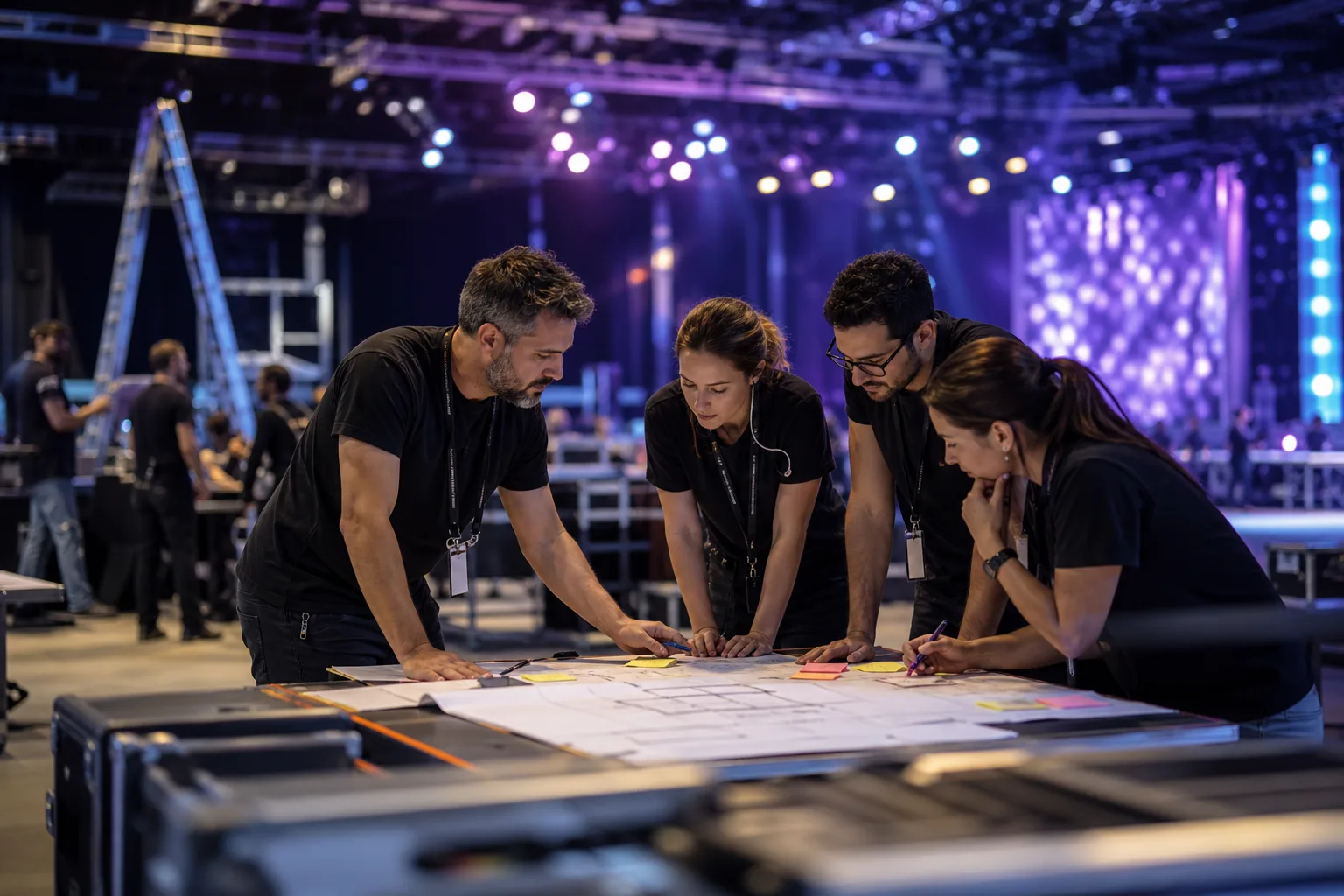
Include the people who create, approve, send, build, and install the work. You need the creative lead, client or agency approver, vendor, fabricator, and site contact when destination production is involved.
4. Test, assign, and document the new path
Use one small test on the next relevant handoff. Then assign an owner, standardize the revised workflow, and track the result over time. Show Me Excellence advises closing remaining actions through follow-up checks.
- Choose: Name one recurring bottleneck in your next production.
- Define: Create one page showing the current path and visible failure.
- Gather: Put every handoff owner around that page.
- Test: Change one approval, file, or communication step.
- Follow through: Review the result at 30, 60, and 90 days, a practical rhythm recommended by Show Me Excellence, while fitting the checks to your event calendar.
If you want a faster way to do this, Prim Miami provides creative direction, production management, and destination event support for couples, brands, agencies, corporate planners, and private hosts. You can find practical event design and production guidance before widening the process review.
Planning something like this?
Tell us the date and we'll tell you if we're free.