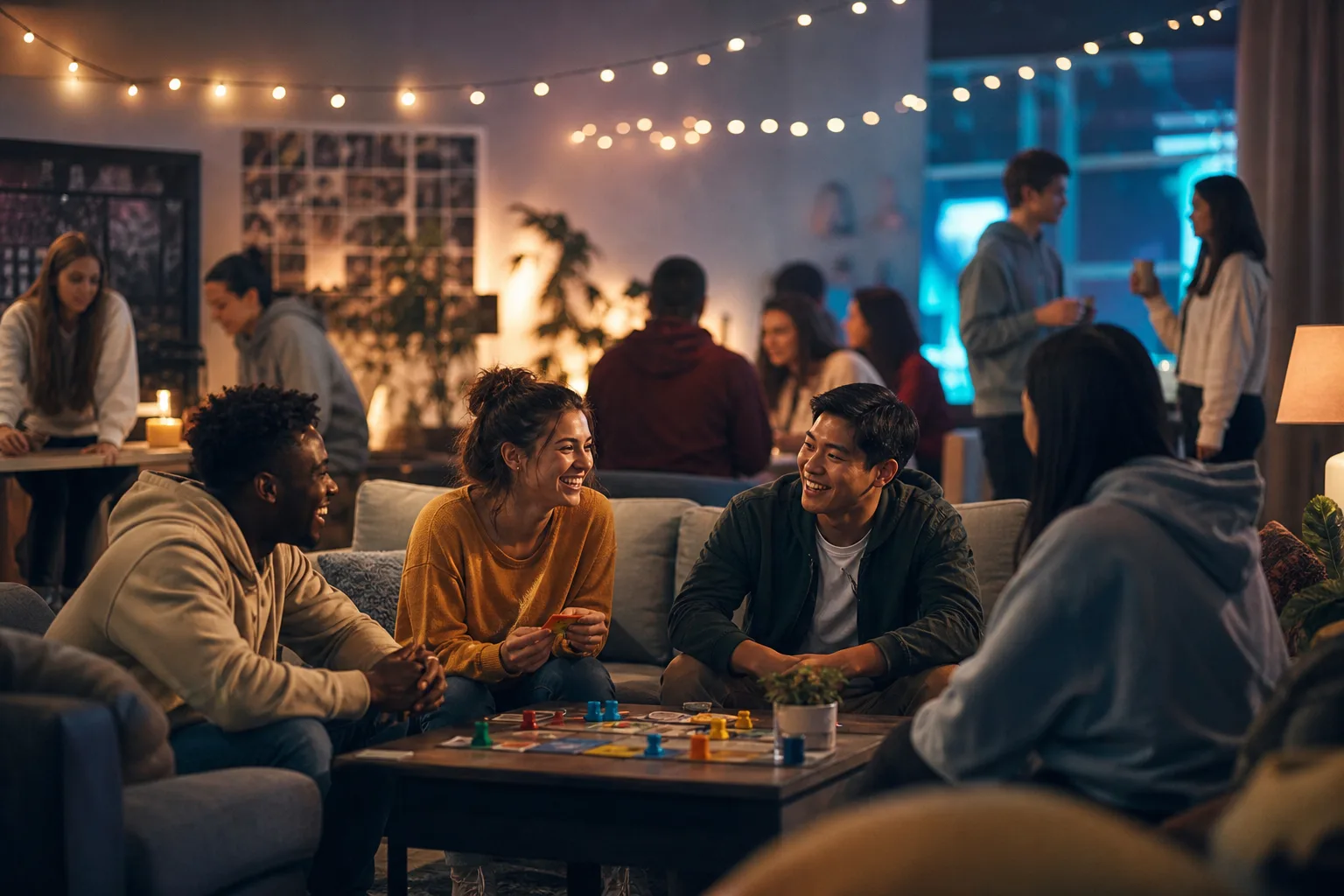
You choose from a list of RA event ideas, write the announcement, post it in every channel, and wait. When the start time arrives, the room feels too quiet, and you wonder why residents ignored something that took real work to organize. The problem usually isn't your promotion or your residents.
Most RA teams don't have an ideas problem. They have an experience-design problem. Generic programming can feel interchangeable, so start with the participation need instead of another theme.
Residents usually want a reason they can understand right away. The strongest options support restorative socializing, resident contribution, guided making, or useful learning. Each format asks for a different level of production.
Prim Miami approaches experiences through atmosphere, flow, and participation, not decoration alone. Its production support can't replace resident insight. The four formats below give you a practical way to choose by use case, audience fit, and trade-off, so your RA team can shape an event residents understand quickly.
The Four Tests for an RA Event Idea
A familiar theme isn't enough when residents have already seen the same movie night, trivia game, and craft table. Start with recognizable categories such as low-stress social nights, interactive games, and practical life-skills workshops.
Ideas that only rename those formats don't go far enough. The concepts that remain give residents a clear way to participate, a useful outcome, and a production level that fits the program.
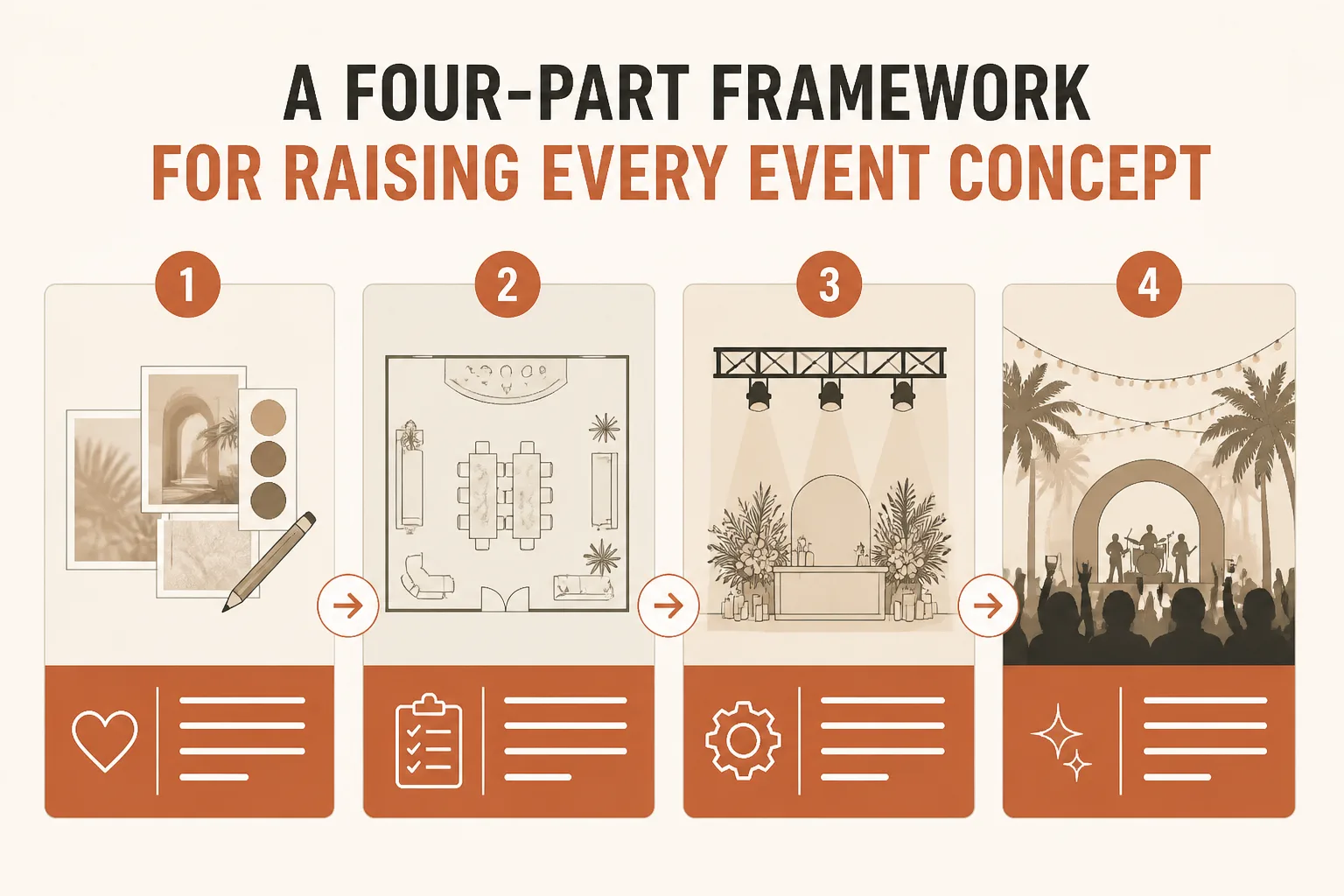
The checklist every idea must pass
Each idea was assessed with a practical checklist. Prim Miami's event design perspective considers atmosphere, spatial storytelling, and fabrication without turning a residence-hall program into a major production.
- Participation: Residents actively do something rather than only watch or collect refreshments.
- Value: The experience offers emotional relief, meaningful connection, or a practical takeaway.
- Adaptability: You can run it in a residence hall with realistic limits on space, access, noise, and staffing.
- Production fit: Thoughtful design or fabrication improves the experience without making the program excessive.
Practical rule: Choose the idea whose participation pattern matches what your residents need most.
What ordinary social nights leave unresolved
Broad idea lists often give you categories without showing why one format fits a particular resident need. These four choices address that gap. They aren't ranked. Each matches a different need, from restoration and contribution to making and useful learning.
The Sensory Reset Lounge
Some residents want connection without a loud room, crowded schedule, or forced conversation. Give them permission to enter, pause, participate briefly, move between zones, or leave without explanation.
This low-pressure social format turns a familiar de-stress night into a deliberately designed environment. You might offer quiet zones, tactile stations, and gentle creative prompts, with several levels of engagement between a casual craft table and a genuinely restorative resident experience.
Prim Miami adds intentional spatial storytelling and restrained styling without turning the program into a high-energy production. You get sensory pacing and clear transitions, not a lighting-design tutorial.

Best use case
Use this format when your residents need decompression and soft social connection. Shape each zone around choice, so the room feels welcoming without demanding sustained participation.
Best for
- Low-social-energy residents: You offer contact without requiring conversation.
- Stress-heavy periods: You create a gentler reset after exams or major deadlines.
- Mixed comfort levels: You support quiet observation, making, and brief connection.
Trade-off
You may reach residents who avoid conventional social nights, but the experience depends on careful atmosphere and can be harder to promote with one high-energy hook. Prim Miami can provide production discipline, though its restrained approach won't suit a party-first brief.
What works
- Clear choice: Residents choose how long and how deeply to engage.
- Gentle rhythm: You guide guests between quiet, tactile, and creative moments.
What fails
- Forced participation: You lose the restorative purpose when every station requires interaction.
- Generic styling: You reduce the experience to another craft table without sensory intention.
Use it if: you want an RA event idea built for decompression, soft connection, and an easy exit.
The Resident-Led Night Market
Residents may want a reason to contribute, not just attend. A resident-led night market turns a generic social night into small stalls, performances, demonstrations, and cultural showcases shaped by the people who live there.
You get more identity and discovery than a broad mixer can offer. The format stays intentionally small, while each contribution gives guests a personal reason to look around, start talking, and return.
Best use case
Use this format when your residence wants belonging, cultural exchange, and resident visibility without producing a full festival. Prim Miami can shape the atmosphere, wayfinding, and visual consistency, though its one aesthetic point of view may not suit a brief that wants every contribution to feel entirely independent.
Best for
- Resident ownership: Invite people to host a small stall, demonstrate a skill, perform, or share a cultural practice.
- Personal discovery: Give guests a built-in reason to move, browse, and meet someone new.
- Small-scale variety: Create distinct contributions without the cost or pressure of a large festival.
What works
- Clear framework: Connect varied contributions through simple timing, signage, and spatial cues.
- Visible voices: Let residents shape the content while the environment feels considered.
What fails
- Loose coordination: You risk delays and uneven quality when contributors lack clear arrival and setup guidance.
- Over-designed styling: You flatten different voices when every stall must follow one rigid theme.
Trade-off
You gain identity and variety, but you need light editorial and production direction. Prim Miami can provide that connective structure without dictating each contribution.
Use it if: you want an RA event idea that makes residents visible, valued, and curious about one another.
The Build-and-Take-Home Campus Studio
Residents often value an event more when they leave with something they can keep, use, or display. Guide them through making rather than asking them to play one more one-off game.
This studio replaces a one-time game with a collaborative process and a clear finished outcome. You might produce a useful object, displayable piece, installation element, or personal keepsake. The format adds fabrication and creative direction to common RA event ideas. A guide to writing an event design brief fits the same planning workflow when the outcome needs a defined point of view.
Best use case
Use this format when residents want to participate and you also want a tangible result that gives the event staying power.
Best for
- Collaborative identity: Create a shared object that reflects resident input.
- Useful outcomes: Give residents something practical, displayable, or personal to take away.
- Repeatable programming: Scale a guided workshop with simple materials and clear instructions.
What works
- Visible progress: Participation stays active because residents see the outcome forming.
- Flexible scale: Adjust materials and guidance for different group sizes.
What fails
- Open-ended making: You risk confusion when nobody knows what finished means.
- Custom ambitions: You outgrow a normal workshop when the piece must feel durable and highly designed.
Trade-off
A scalable workshop stays repeatable. Custom event fabrication requires design development, sourcing, production coordination, and professional event fabrication services. Prim Miami can support the latter with creative direction and event production, though that level of work isn't necessary for a simple resident craft session.
Use it if: you want residents to leave with more than a memory, and you define the takeaway before choosing the making process.
The Fifteen-Minute Life Lab
Residents arrive late, leave early, or have only a few minutes free. The Fifteen-Minute Life Lab meets that reality by replacing one long seminar with short rotating stations, each built around one practical lesson.
Residents choose where to begin, see what they've completed, and continue only if another station fits their schedule. Peer-led demonstrations keep the experience participatory, while Prim Miami can make each station feel coherent without overproducing a residence-hall program.
Best use case
Use this modular structure when you want practical value, clear entry points, and more engagement than a standard advice session. A station might cover a 5-minute budget reset, a simple coffee-brewing technique, or a quick clothing repair.
Best for
- Uneven schedules: Residents can complete one lesson without committing to the full event.
- Peer teaching: Demonstrations feel more relatable when residents help lead them.
- Visible progress: A station card or completed task shows residents what they gained.
What works
- Short lessons: Each station answers one immediate need.
- Clear movement: Make starting and switching simple.
What fails
- Dense content: Too much information breaks the 15-minute promise.
- Loose facilitation: Residents lose momentum when instructions vary.
Trade-off
The format needs concise content and consistent facilitation. Prim Miami can support the experience design, but a small RA team may need simple station scripts and trained peer hosts.
Use it if: you want residents to build practical confidence quickly, one useful lesson at a time.
Compare the Four Formats by Resident Need
You may have four promising formats and still lack a clear choice. A resident seeking quiet recovery needs a different invitation from someone wanting to perform, make something, or learn a practical skill. Novelty alone won't tell you which event will earn attendance.
Use the resident need as your first filter. The table shows what each format solves, what it asks of your team, and where production demands may surface.
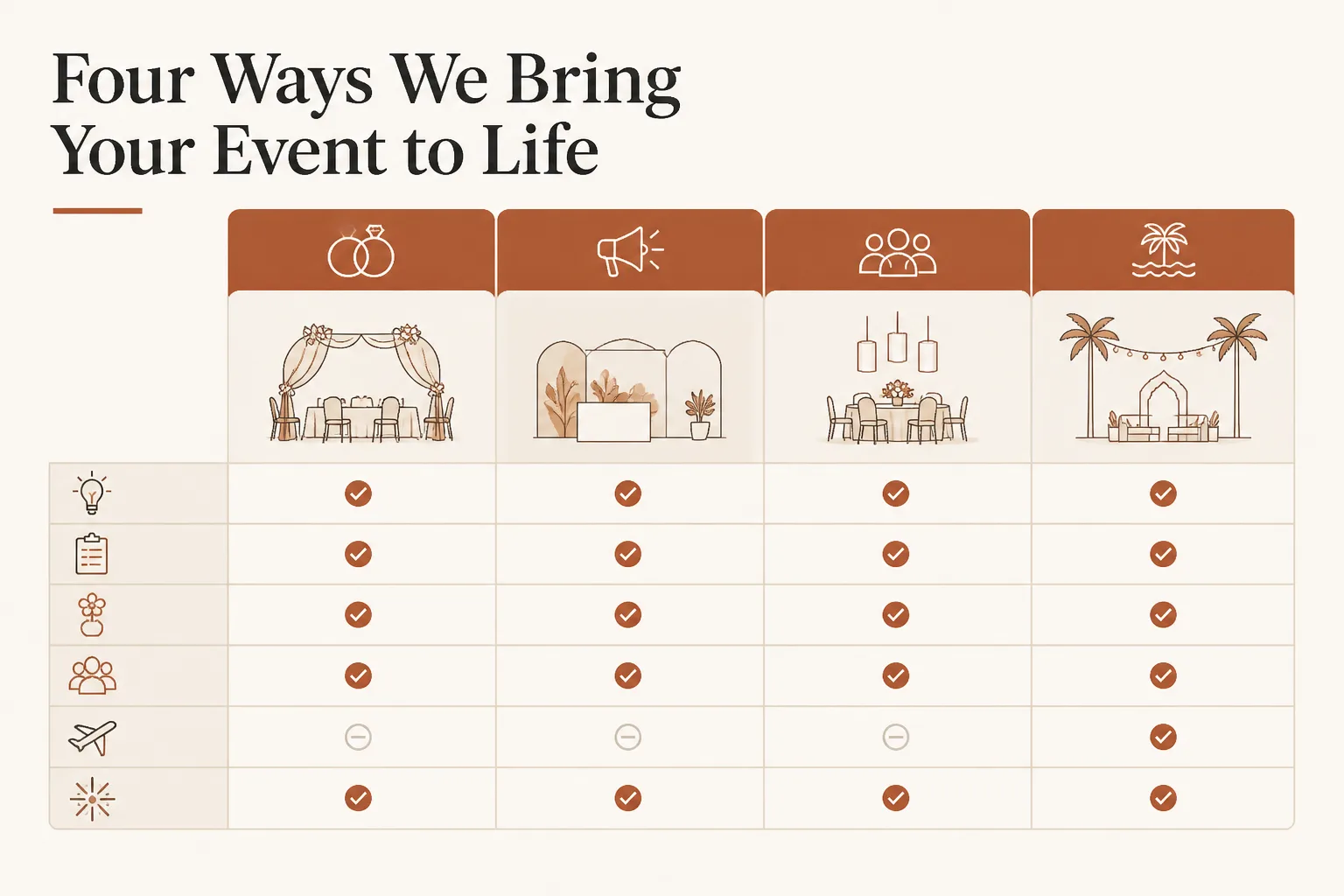
The clearest fit for each resident need
| option | best for | strength | limitation | cost |
|---|---|---|---|---|
| Sensory Reset Lounge | Residents seeking low-pressure social connection and decompression | Quiet zones, tactile stations, gentle prompts, and an easy exit path | Requires intentional atmosphere without becoming a high-energy production | Not specified in the research |
| Resident-Led Night Market | Residents who want belonging, contribution, and discovery | Resident-led stalls, performances, demonstrations, and cultural showcases | Needs coordination and visual cohesion across varied contributions | Not specified in the research |
| Build-and-Take-Home Campus Studio | Residents who value collaboration and a tangible outcome | A useful, displayable, or personal object created through guided making | Custom outcomes may require professional event fabrication services | Not specified in the research |
| Fifteen-Minute Life Lab | Residents who want immediately useful learning in a short format | Modular stations with clear entry points, visible progress, and peer demonstrations | Requires concise content and consistent facilitation | Not specified in the research |
What the limitations mean in practice
Restoration needs atmosphere. Resident contribution needs coordination. Custom making needs tighter fabrication control. Prim Miami can help an RA team build visual cohesion or manage custom production, but a smaller team may prefer simpler materials and peer-led delivery.
Choose the resident need first, then match the format. That gives you a clearer brief before you shape the room, recruit hosts, or confirm production support.
Event Fabrication and MME Events
You may need only a simple RA program, or you may be shaping a custom activation that depends on a physical environment. Knowing the difference helps you choose the right production level.
Event fabrication services explained
Event fabrication services turn your creative direction into a physical event environment. Depending on your RA concept, that may include set design, lighting design, floral installations, vendor management, and production support. A straightforward RA activity may need none of this. A custom activation may require coordinated design and fabrication when the resident experience depends on a built setting.
Choosing an event fabrication company
Choose an event fabrication company by matching its capabilities to your creative direction, physical environment, vendor coordination, and production scale. Ask how the provider moves from concept to installation and event-day support. Prim Miami covers these areas, though your smaller RA program may be better served by simpler materials and local coordination. General planning references such as mywebsite.com can also provide useful context when comparing event concepts and production needs.
The meaning of MME events
The phrase MME events has no definitive meaning in the available research, so confirm it from the context where you found it. It may refer to a named program, organization, or event category, but guessing could mislead your planning. For your RA event ideas, identify the resident experience first, then match production effort to its actual needs.
Turn One Resident Need Into a Ready-to-Plan Event
A promising RA event idea still stalls when you choose the look before defining the resident experience. Set one clear action, one useful outcome, and practical limits before promotion begins.
Start small on paper. Your concept earns more production only when the resident need calls for it.
The six-step selection sequence
- Name the need: Write the resident group and the problem your event addresses.
- Choose the format: Match that need to a lounge, market, studio, or life lab.
- Define participation: State exactly what each resident will do.
- Set ambition: Decide whether you need simple materials or custom creative direction from Prim Miami.
- Confirm constraints: Check space, access, staffing, timing, capacity, and approvals.
- Promote: Publish the invitation only after the experience is workable.
Start with one resident-need brief
Your one-page brief should name who the event serves, what residents should do, and what they should leave with. If you write “fun social for everyone,” you leave vendors, styling, and fabrication guessing.
Strong brief: “First-year residents make a dorm-friendly herb planter in 15 minutes, then leave with a labeled planter and one new campus connection.”
- Audience: Name the resident group.
- Action: Describe the participation moment.
- Outcome: Define what residents take away.
If you want a faster way to turn a resident need into a polished activation, Prim Miami provides creative direction, custom production, floral installations, set and lighting design, and vendor management for brands, corporate teams, private hosts, and destination couples. The Prim Miami journal on event design and production offers companion planning guidance.

Planning something like this?
Tell us the date and we'll tell you if we're free.